 Indonesia
 Malaysia

Category


2026 Strategic Halal-Travel Audit: Optimizing the Vietnam Muslim-Friendly Experience
16/03/2026
Admin
2026 Strategic Halal-Travel Audit: Optimizing the Vietnam Muslim-Friendly Experience
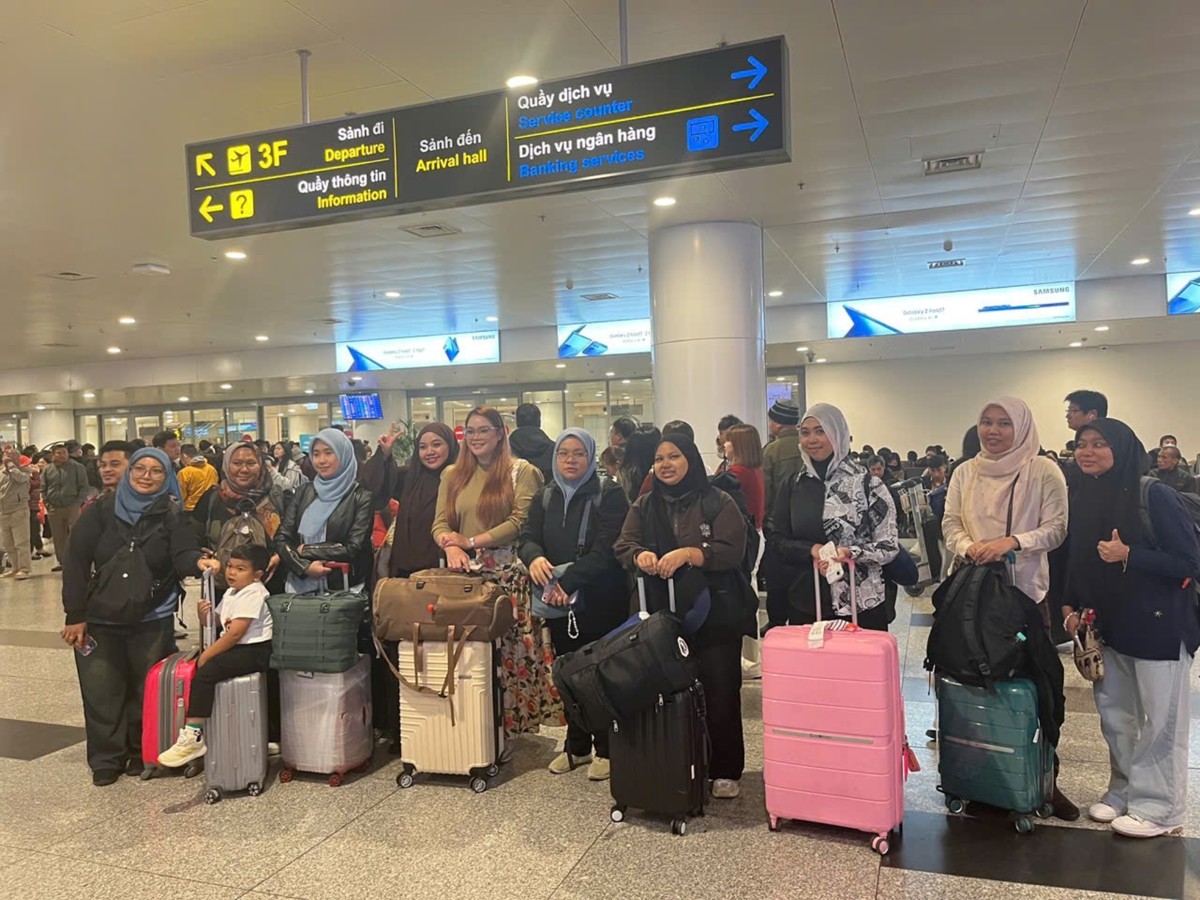
Vietnam is witnessing a strategic surge in Muslim tourism, driven by a high cost-to-value ratio and a diverse portfolio of geographic assets. While categorized as a non-Muslim majority nation, the country is rapidly scaling its Halal-compliant infrastructure to meet the rigorous demands of the Malaysian, Indonesian, and Middle Eastern markets. This audit provides a Strategic Framework for navigating Vietnam’s Halal ecosystem, focusing on dietary logistics, spiritual connectivity, and high-yield destinations
Strategic Assessment: Why Vietnam is a Top-Tier Destination for Muslim Travelers
· Optimized Cost-to-Value Ratio: Vietnam is recognized as one of Asia’s most fiscally efficient destinations, providing premium hospitality and logistics at a highly competitive price point.
· World-Class Asset Portfolio: The country offers a high-density cluster of geographical assets, from the UNESCO-verified maritime karst of Ha Long Bay to the high-altitude ecosystems of Sa Pa.
· Sociocultural Stability: A welcoming social environment characterized by high cultural tolerance ensures a secure and respectful experience for the international Muslim demographic.
· Institutional Halal Readiness: Rapidly scaling Halal-compliant infrastructure, featuring a verified network of certified dining nodes and integrated prayer facilities across major travel hubs.
Vietnam’s Muslim Community & Spiritual Assets"
· Population Data: Approximately 70,000–80,000 Muslims, with the Cham ethnic group forming the core demographic.
· Regional Focus: Most active communities and mosques are situated in Southern Vietnam (HCMC and the Mekong Delta).
· Travel Accessibility: Major tourist centers, including Hanoi, maintain functional mosques, providing a reliable support system for Muslim travelers nationwide.
Primary Mosques in Vietnam
Vietnam’s strategic spiritual nodes are concentrated in the primary urban hubs, providing high-standard facilities for religious observance.
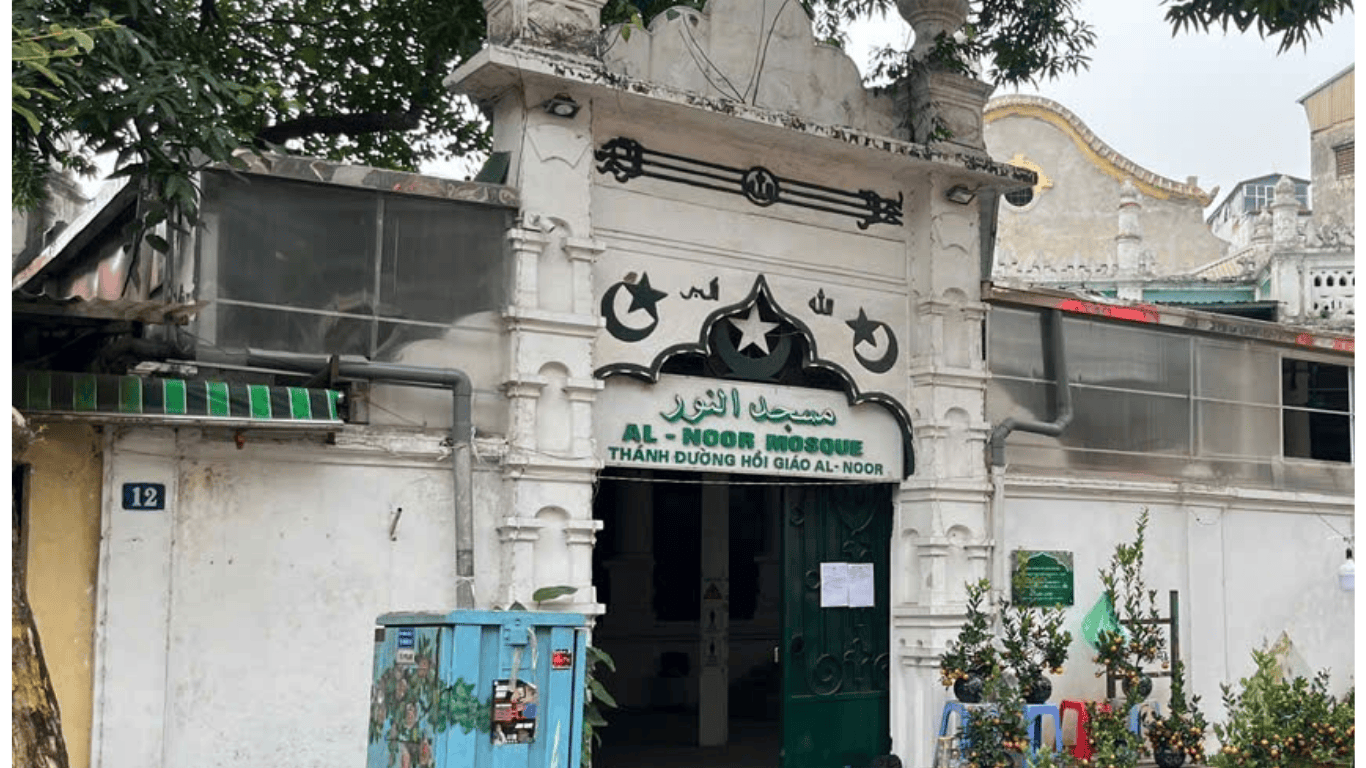
· Al-Noor Mosque (Hanoi) – The Northern Spiritual Anchor
ü Status: The sole institutional mosque in Northern Vietnam, serving as a vital hub for the local community and international delegations.
ü Logistical Advantage: Situated on Hang Luoc Street (Old Quarter). It provides unmatched walking accessibility for guests residing in Hanoi’s historic center, ensuring seamless integration of daily prayers into the travel itinerary.
· Saigon Central Mosque (Ho Chi Minh City) – Heritage & Dining Node
ü Historical Value: Established in 1935, it stands as a cornerstone of Islamic heritage in District 1.
ü Ecosystem Synergy: This site is a high-density Halal node, surrounded by a comprehensive ecosystem of certified restaurants, making it the most efficient stay-and-pray location in Southern Vietnam.
· Jamia Al Muslimin Mosque (Ho Chi Minh City)
ü Accessibility: A prominent and high-capacity spiritual site in Ho Chi Minh City, recognized for its consistent engagement with the international Muslim traveler segment and its proximity to key commercial districts.
Dietary Logistics: Verified Halal Nodes in Vietnam"
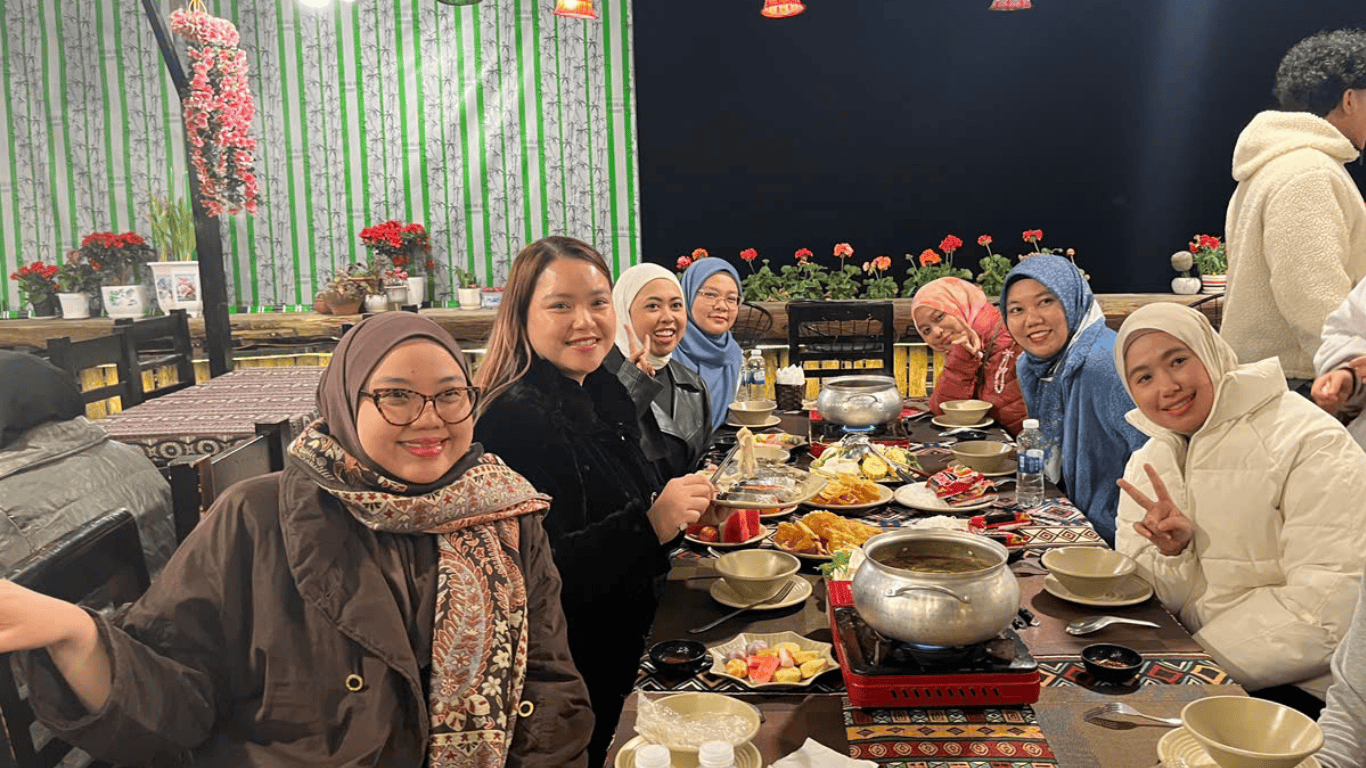
· Hanoi Hub: A curated selection of restaurants providing cross-border Halal compliance. Key assets like Nan n Kabab and D'Lions serve as the primary dining infrastructure for travelers in Northern Vietnam.
· HCMC Hub: Represents the most mature Halal market in Vietnam. Establishments such as Kampung Pandan offer logistical convenience for large tour groups from Malaysia and Indonesia, situated within the primary tourism and mosque districts.
· Operational Verdict: Vietnam’s culinary landscape now provides a Zero-Risk environment for observant travelers through these verified outlets.
Strategic Destination Portfolio: Vietnam’s Muslim-Friendly Hubs
This portfolio evaluates Vietnam’s primary tourism nodes based on Infrastructure Readiness, Logistical Connectivity, and Halal Ecosystem Density.
1. Hanoi: The Administrative & Cultural Operational Hub
- Asset Profile: As the capital city, Hanoi serves as the primary cultural and logistical anchor for Northern Vietnam. Key heritage assets include Hoan Kiem Lake, the Old Quarter, and the Temple of Literature.
- Halal Infrastructure: Features the Al-Noor Mosque—the only institutional spiritual site in the North.
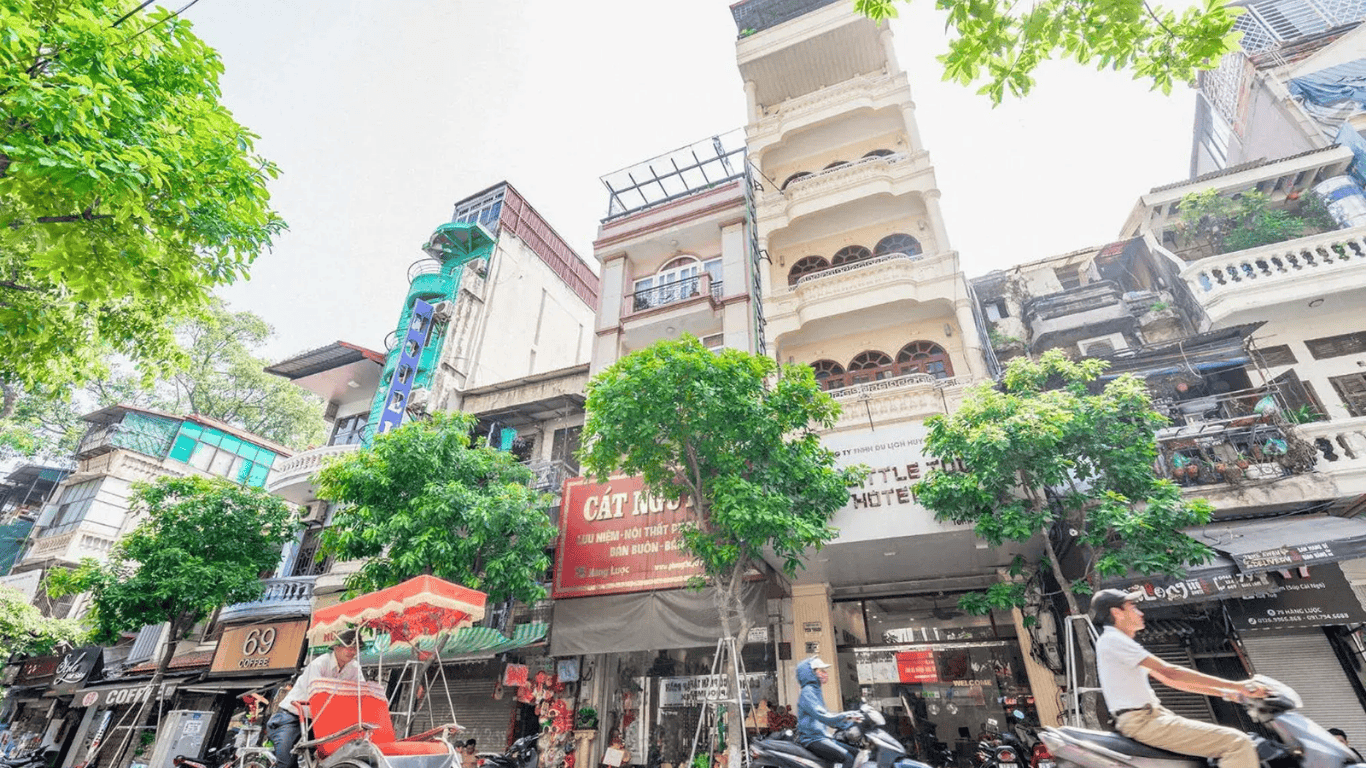
- Logistical Advantage: The Old Quarter serves as a high-density node where travelers can find verified Halal dining and spiritual facilities within a 360-degree walking radius.
2. Ha Long Bay: Global Maritime Heritage Asset
- Asset Status: A UNESCO-verified World Heritage site with a premier global brand value.
- Halal Integration: High-tier cruise operators provide On-demand Halal integration.
- Operational Note: Strategic pre-booking protocols are required to ensure Dietary Security (Halal-compliant seafood and kitchen segregation) on luxury maritime itineraries.
3. Da Nang: Modern Infrastructure & Tourism Growth Node
- Asset Profile: Known for its superior modern infrastructure and proximity to high-visual ROI landmarks like Ba Na Hills and the Golden Bridge.
- Market Status: An emerging market for the Muslim demographic. Many 4-star and 5-star hotels have implemented Muslim-friendly service protocols, providing Halal culinary options and prayer amenities upon request.
4. Ho Chi Minh City: Primary Market Hub (Highest Ecosystem Maturity)
- Market Position: The most mature and developed ecosystem for Muslim travelers in Vietnam.
- Ecosystem Density: Boasts the highest concentration of mosques and Halal-certified restaurants in the country.
- Strategic Verdict: The definitive choice for high-capacity groups and travelers from Malaysia and Indonesia, offering full-service synergy between spiritual, culinary, and commercial requirements.
Strategic Protocols for Navigating the Vietnam Halal Ecosystem
Observing these operational protocols ensures a Zero-Risk experience by aligning travel logistics with religious and dietary requirements.
1. Digital Integration for Dietary Security
· Protocol: Utilize verified platforms such as HalalTrip or Zabihah to audit real-time dining options.
· Operational Advantage: These tools serve as a digital filter to identify high-integrity Halal nodes, reducing the probability of non-compliant dining encounters.
2. Linguistic Risk Mitigation (Negative Constraints)
· Protocol: Implement precise linguistic constraints to ensure culinary transparency.
· Key Declarations:
o "Không thịt heo" (Zero Pork Policy): Essential for removing the primary dietary risk.
o "Không rượu" (Alcohol-Free): Ensures beverage compliance.
o "Ăn chay" (Plant-Based Alternative): An established secondary infrastructure in Vietnam that provides a high-safety margin for Muslim travelers.
3. Spiritual Continuity Management
· Protocol: Pre-plan logistical nodes for prayer observances (Salah).
· Strategy: In regions with low mosque density, leverage hotel infrastructure as a Spiritual Anchor. Most premium hospitality assets in Vietnam provide the necessary privacy and environment for religious rituals upon request.
4. Culinary Integrity Audit: Traditional Assets
· Protocol: Exercise high-level scrutiny on "Hidden Ingredients" within national culinary assets (e.g., Pho, Banh Mi).
· Risk Analysis: Unless specifically prepared in a Halal-certified facility, these products often contain lard or non-compliant stocks.
· Verdict: Only engage with these assets at Verified Halal Nodes to maintain absolute dietary integrity.
Strategic Timing & Climate-Logic Optimization for Vietnam
Weather in Vietnam acts as a critical logistical constraint. Navigating the country’s three distinct climatic zones requires a strategic approach to ensure maximum visibility of geographical assets and traveler comfort.
1. Regional Operational Windows (Best Periods)
· Northern Vietnam (Hanoi, Sapa, Ha Long Bay):
o Strategic Window: October to April.
o Operational Verdict: This period avoids the high-heat/monsoon season, ensuring the highest Visual ROI for rice terraces in Sapa and maritime clarity in Ha Long Bay.
· Central Vietnam (Da Nang, Hoi An):
o Strategic Window: February to August.
o Operational Verdict: Optimized for maritime activities and beachfront logistics, avoiding the typhoon cycles of the late Q3 and Q4.
· Southern Vietnam (Ho Chi Minh City, Mekong Delta):
o Strategic Window: December to April (Dry Season).
o Operational Verdict: Ensures high-integrity transit and outdoor exploration with minimal rainfall interference.
2. Market Correlation: Peak Demand Cycles
· Segment Analysis: Demand from the Malaysian and Indonesian markets strongly correlates with Regional School Holiday Cycles.
· Operational Note: Travelers should account for increased occupancy and higher logistics costs during these periods. Strategic pre-booking is essential to maintain budget efficiency.
Security Audit: Operational Safety for Muslim Travelers in Vietnam
Vietnam maintains a high-stability index and is globally recognized as a low-risk environment within the Southeast Asian tourism corridor. For the international Muslim demographic, the security profile is categorized by high cultural tolerance and robust physical safety.
1. Sociocultural Stability & Tolerance
· Audit Verdict: Vietnam’s secular but inclusive social framework ensures a high degree of respect for religious diversity.
· Analysis: Muslim travelers consistently report a High-Trust Experience, characterized by a lack of religious friction and a welcoming environment for Islamic practices.
2. Physical Security & Risk Index
· Risk Profile: Categorized as "Low." Violent crime targeting tourists is statistically negligible.
· Operational Stability: Urban centers (Hanoi, HCMC) and tourism nodes (Sapa, Ha Long) operate under high-security standards, making them suitable for families and solo travelers.
3. Risk Mitigation Protocols (SOPs)
To maintain Zero-Incident operations, travelers should adhere to standard risk management practices:
· Asset Protection: Secure high-value items (financial assets, passports) in verified hospitality safes.
· Logistical Security: Utilize Verified Transit Platforms (Grab, reputable taxi firms) to ensure pricing transparency and GPS-tracked transit.
· Institutional Trust: Prioritize bookings with Reputable Hospitality Assets (4-5 star hotels or certified boutique stays) to ensure high-standard service and data privacy.
Strategic Conclusion: The 2026 Vietnam Halal-Travel Verdict
Vietnam represents a high-potential frontier within the Southeast Asian tourism landscape, offering a unique convergence of world-class natural assets and a rapidly maturing Halal ecosystem.
1. Final Operational Verdict
While Vietnam remains a secular nation, the Institutional Readiness for the Muslim demographic has reached a critical tipping point. The country now provides a Zero-Risk environment for travelers who prioritize dietary security (Halal compliance) and spiritual continuity (mosque accessibility) without sacrificing the quality of the travel experience.
2. Strategic Value Re-cap
- Infrastructure Synergy: The seamless integration of Halal-certified dining nodes and prayer facilities across primary hubs (Hanoi, HCMC, Da Nang).
- Asset Exposure: Direct, efficient access to global heritage sites (Ha Long Bay, Sa Pa, Ninh Binh) with pre-vetted service protocols.
- Fiscal Efficiency: A market-leading Cost-to-Value ratio, ensuring premium experiences with optimized capital expenditure.
3. Final Deployment Recommendation
For travelers from Malaysia, Indonesia, and beyond, Vietnam is no longer a "challenge" to navigate but a Strategic Destination to explore. Whether it is the cultural immersion of Hanoi or the maritime excellence of Ha Long Bay, the country delivers a high-integrity, unforgettable journey.