
 Indonesia
 Malaysia

Category


Is Seafood in Vietnam Halal? What You Really Need to Know
08/06/2026
Admin
Understanding Local Cooking Habits to Eat Safely and Confidently
1. The Short Answer
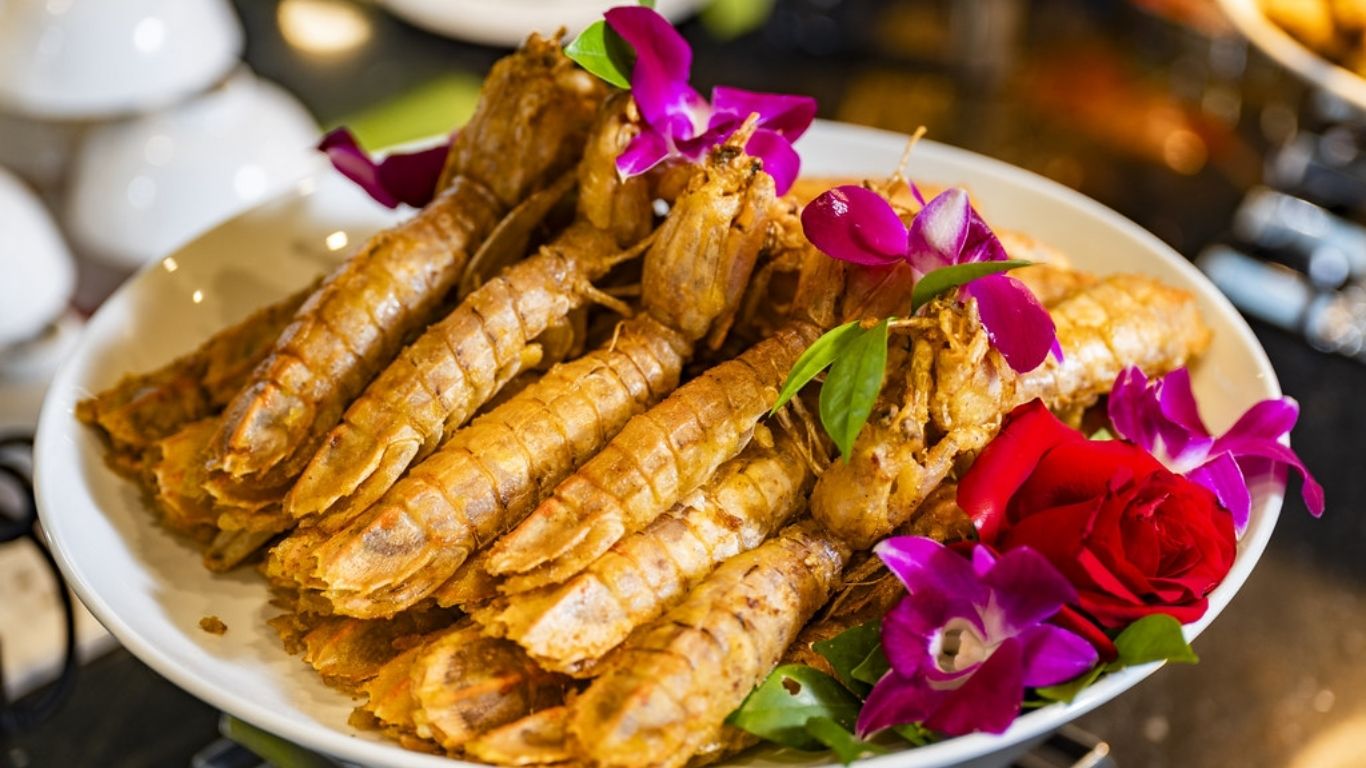
When planning a trip to the beautiful coastal areas of Vietnam, many travelers ask: Is Seafood in Vietnam Halal? According to Islamic rules, all fresh seafood from the ocean is halal. However, the real problem is not the fish or the shrimp itself—it is how the food is cooked. As Muslim-Friendly Tourism slowly grows across the country, local chefs are learning, but many traditional kitchens still use ingredients that Muslim guests cannot eat. This muslim friendly guide will explain exactly how local seafood is prepared so you can make safe choices when eating out.
See more: ha-long-bay-tours
2. The Hidden Traps in Vietnamese Seafood Cooking
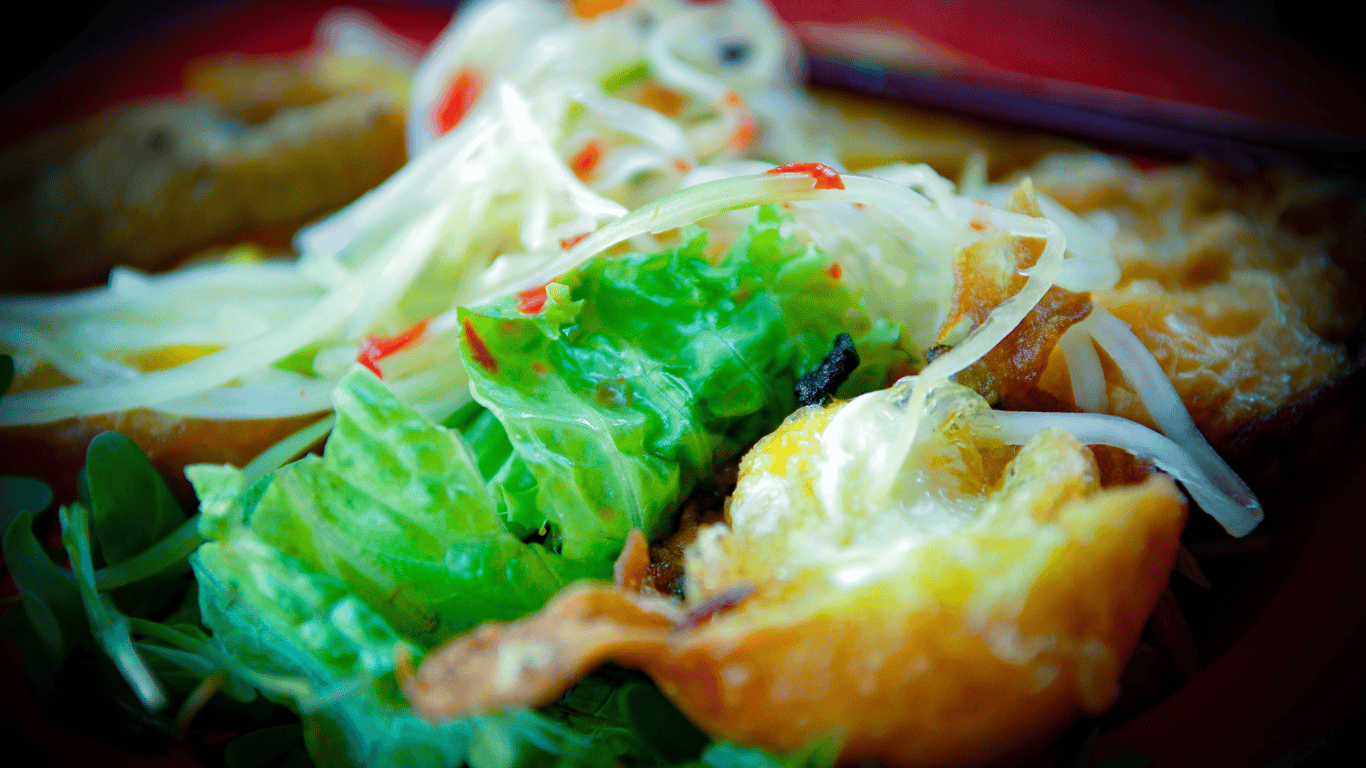
Vietnam has amazing, fresh seafood, but the local cooking style often mixes in non-halal items. Here is what you need to watch out for:
|
Cooking Method |
The Hidden Risk |
|
Grilled Scallion Oil (Mỡ Hành) |
Many grilled seafood dishes (like oysters or clams) are topped with green onions cooked in hot oil. In traditional Vietnamese cooking, this oil is often made from pork fat, and they sometimes add crispy pork skin pieces on top. |
|
Stir-Fried Dishes |
If you order stir-fried noodles with seafood, the chef might use pork broth for flavor or use the exact same pan they just used to cook a pork dish without washing it thoroughly. |
|
Steamed with Alcohol |
To remove the fishy smell from crabs or certain fish, local cooks sometimes use cheap rice wine or cooking wine in the boiling water. |
3. How to Order Seafood Safely
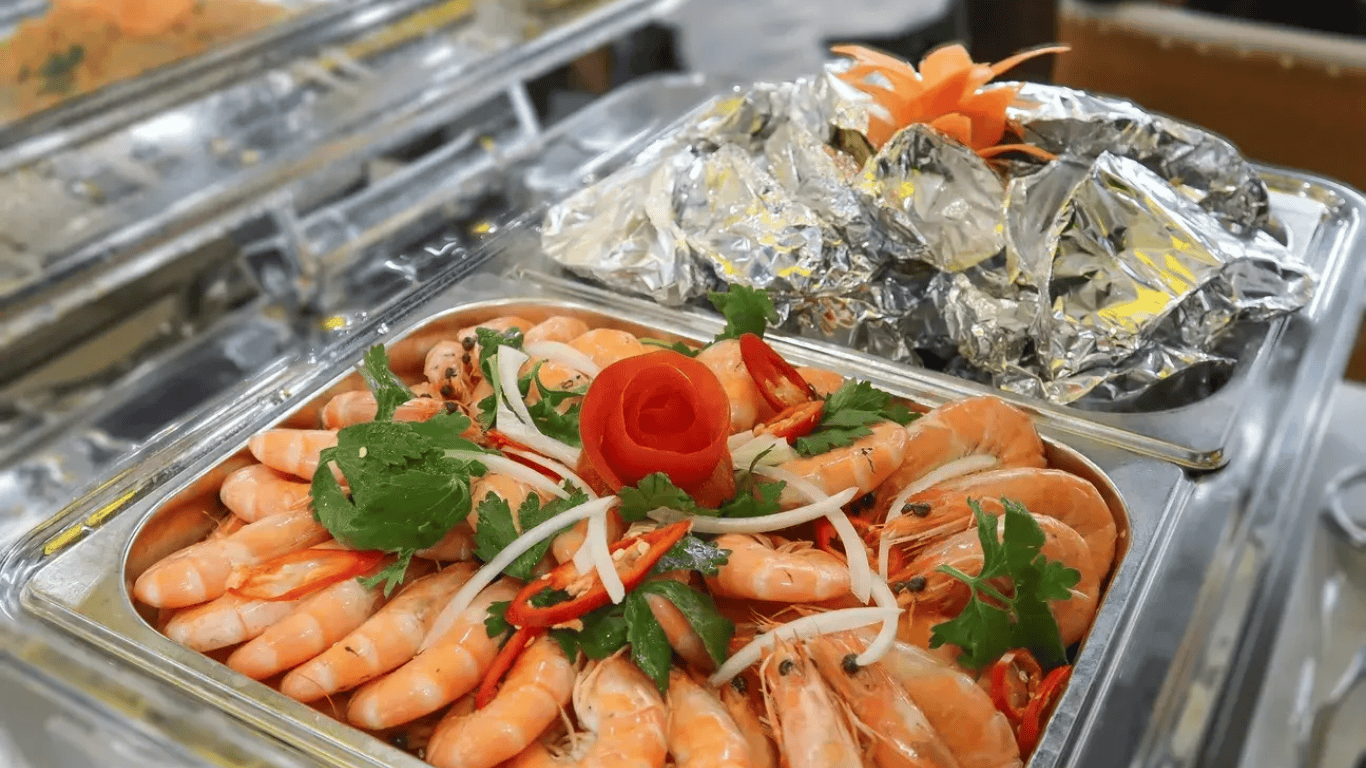
You can still enjoy the delicious seafood in Vietnam if you know how to order correctly. Here are some simple tips to use when you sit down at a local seafood spot:
· Ask for Plain Steaming or Boiling: This is the safest way to eat seafood. Ask the staff to just boil the crab or steam the shrimp with plain water, lemongrass, or ginger. Do not let them add any extra sauces.
· Request 'No Pork Fat': If you order grilled seafood, use a translation app to tell them clearly: 'Do not use pork fat' and 'Do not use meat broth'.
· Use Your Own Sauces: Instead of using the restaurant's mixed sauces, ask for a simple plate of fresh lime, salt, and cut chili. This is a very traditional and 100% safe way to eat seafood in Vietnam.
See more: sapa-halal-tours
|
Enjoy the Best Seafood with Zero Worries Explaining cooking rules in a different language can be stressful when you just want to relax. If you want to enjoy fresh, delicious seafood without worrying about hidden pork fat or shared pans, booking a Muslim-friendly travel package is the smartest choice. The local experts at Halal Tours Vietnam take care of all the food checks for you. They work directly with trusted kitchens to ensure your seafood is prepared cleanly, safely, and in full compliance with your dietary needs. This way, your family can simply sit back and enjoy the amazing flavors of Vietnam. |